Counting B.C. Interior Swans and Eagles: A Half-Century of Citizen Science
Published in BC Nature
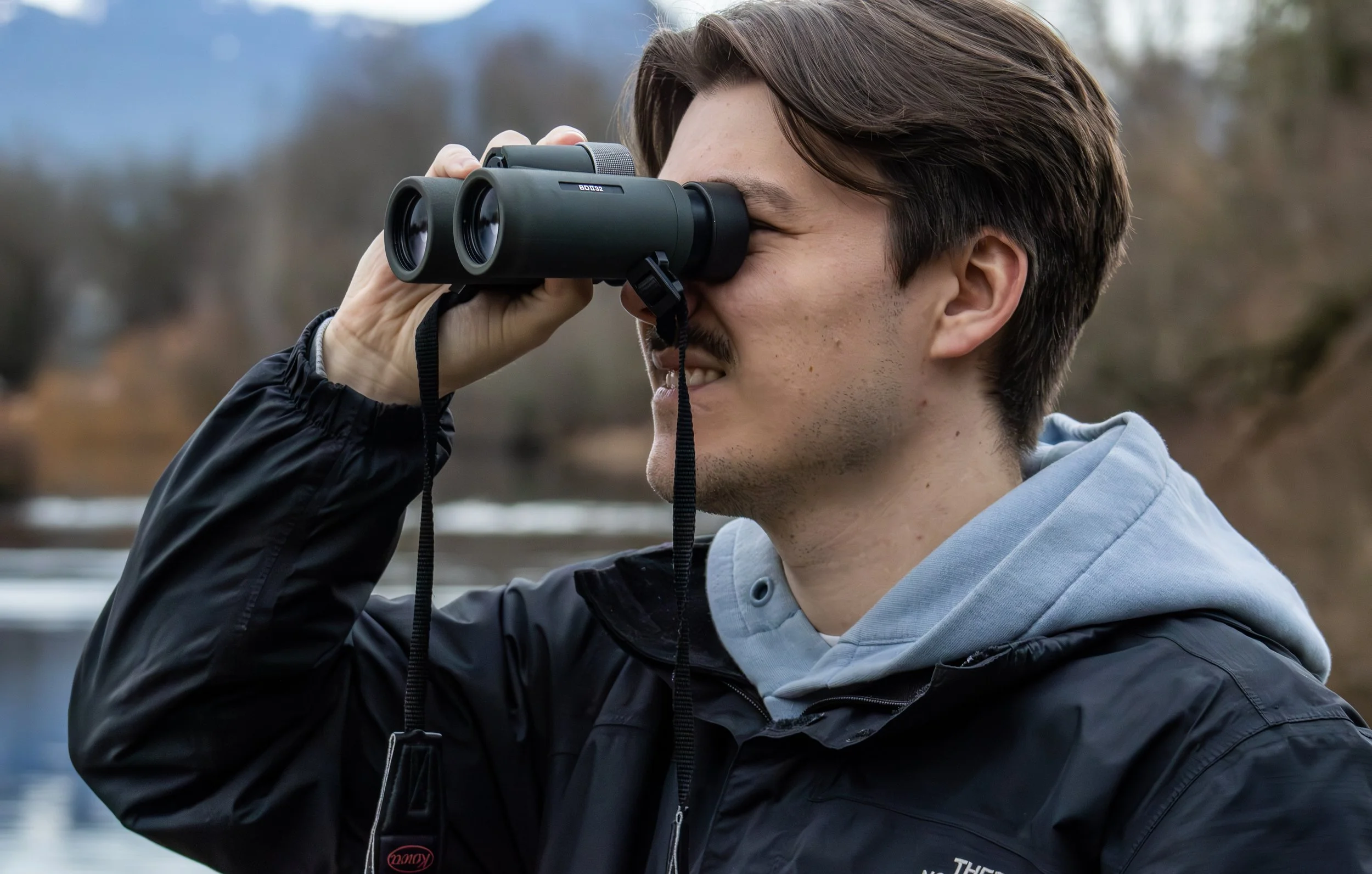
On a cold January morning, I was one of many bird enthusiasts across B.C. carrying on a half-century-old tradition of counting swans and eagles. The Rick Howie B.C. Interior Swan and Eagle Count is organized annually by naturalist clubs, with people participating from Osoyoos to the Cariboo.
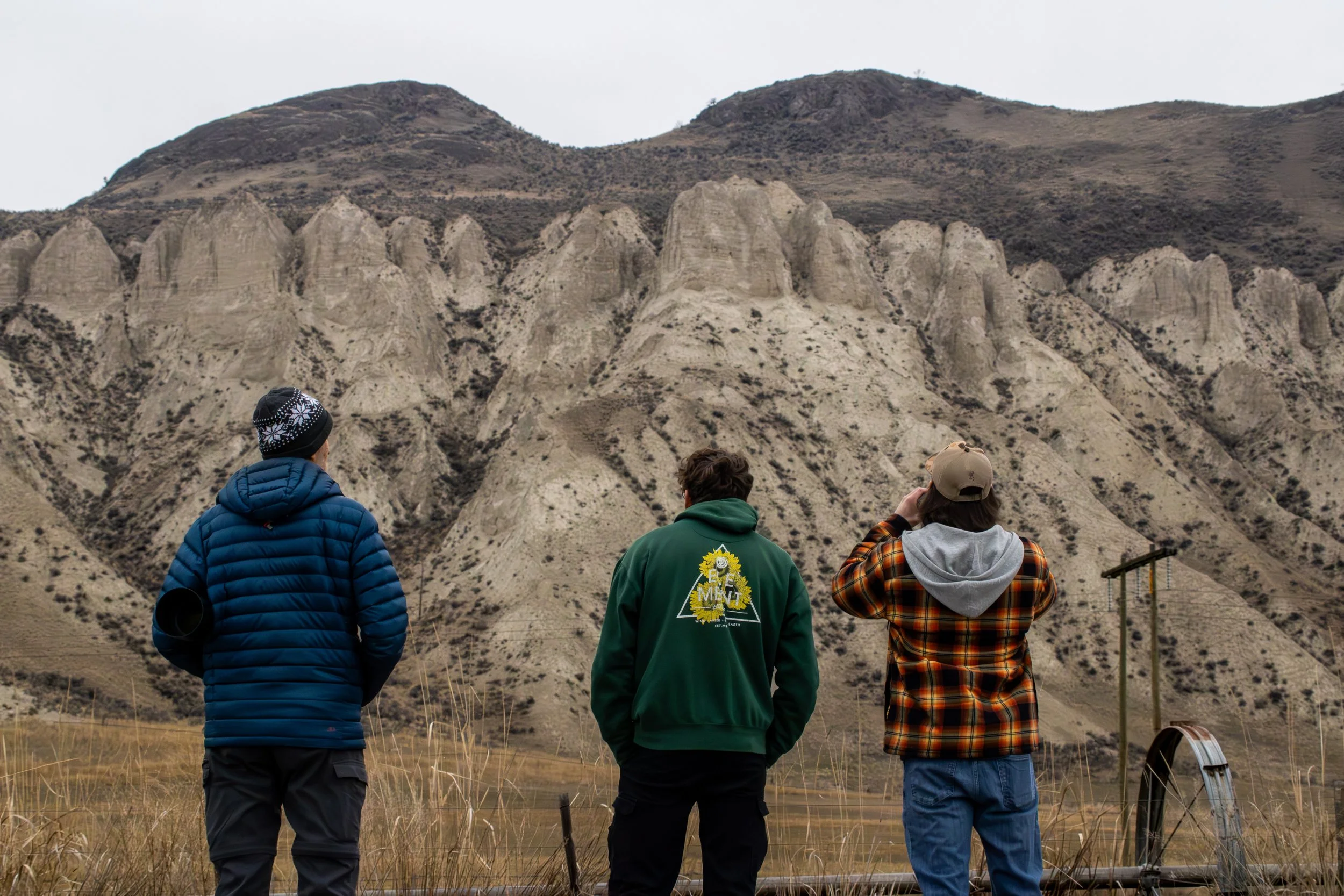
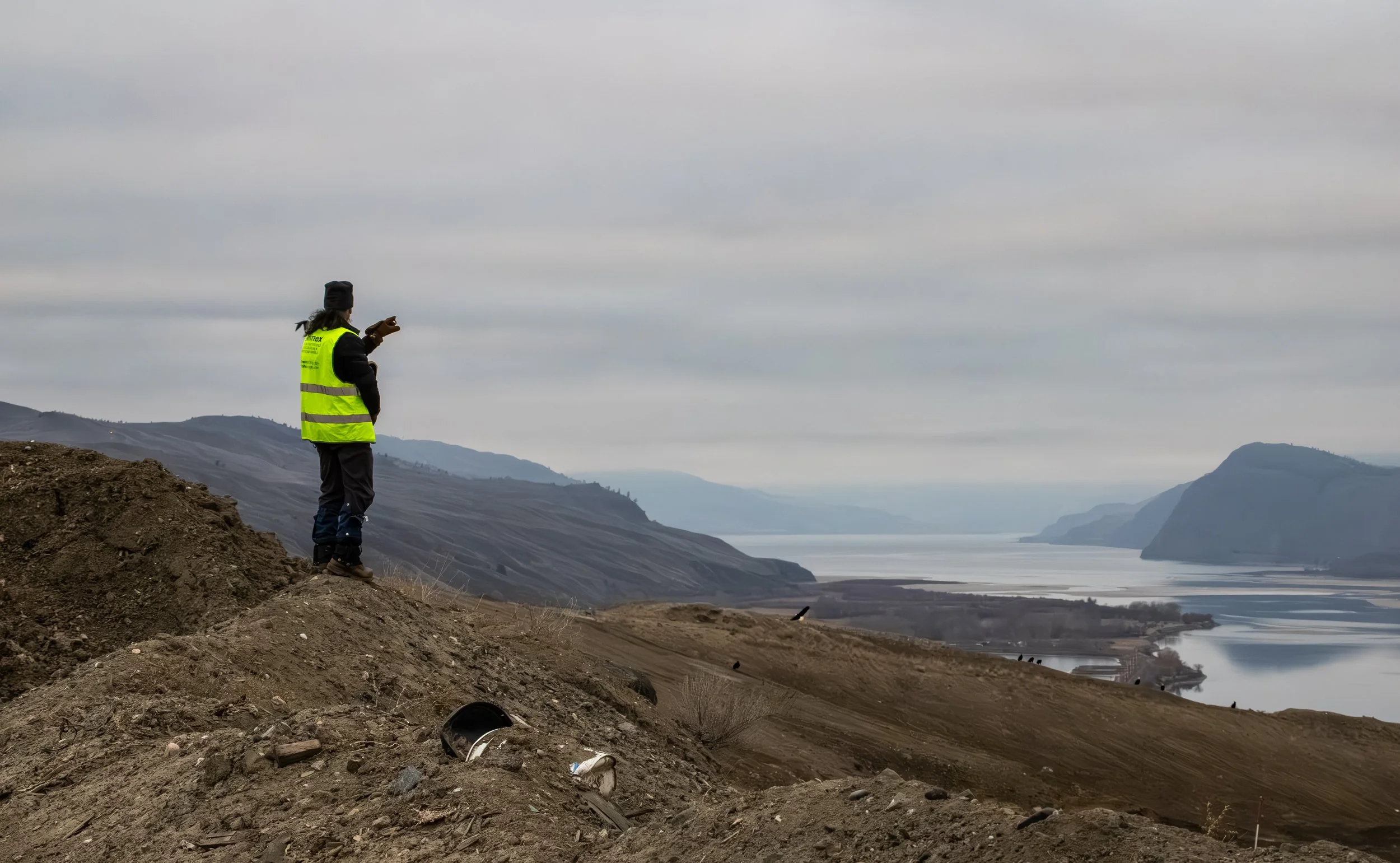
Standing shoulder to shoulder with students and retirees, we traded quiet greetings while looking out at the South Thompson River in Kamloops, where the first Count occurred in 1974.
A flock of Trumpeter Swans (Cygnus buccinator) flew almost ceremoniously above where we’d gathered, and with that, the Count began. Our convoy set off, following the road winding along the South Thompson. We scanned the river for flashes of white, and appraised figures perched on power poles and trees for eagle-like qualities. “The study has been conducted in the same way for the past 52 years of counting swans and 32 years for eagles,” remarked Richard Doucette, a Kamloops-based biologist who has organized the Count since 2022.
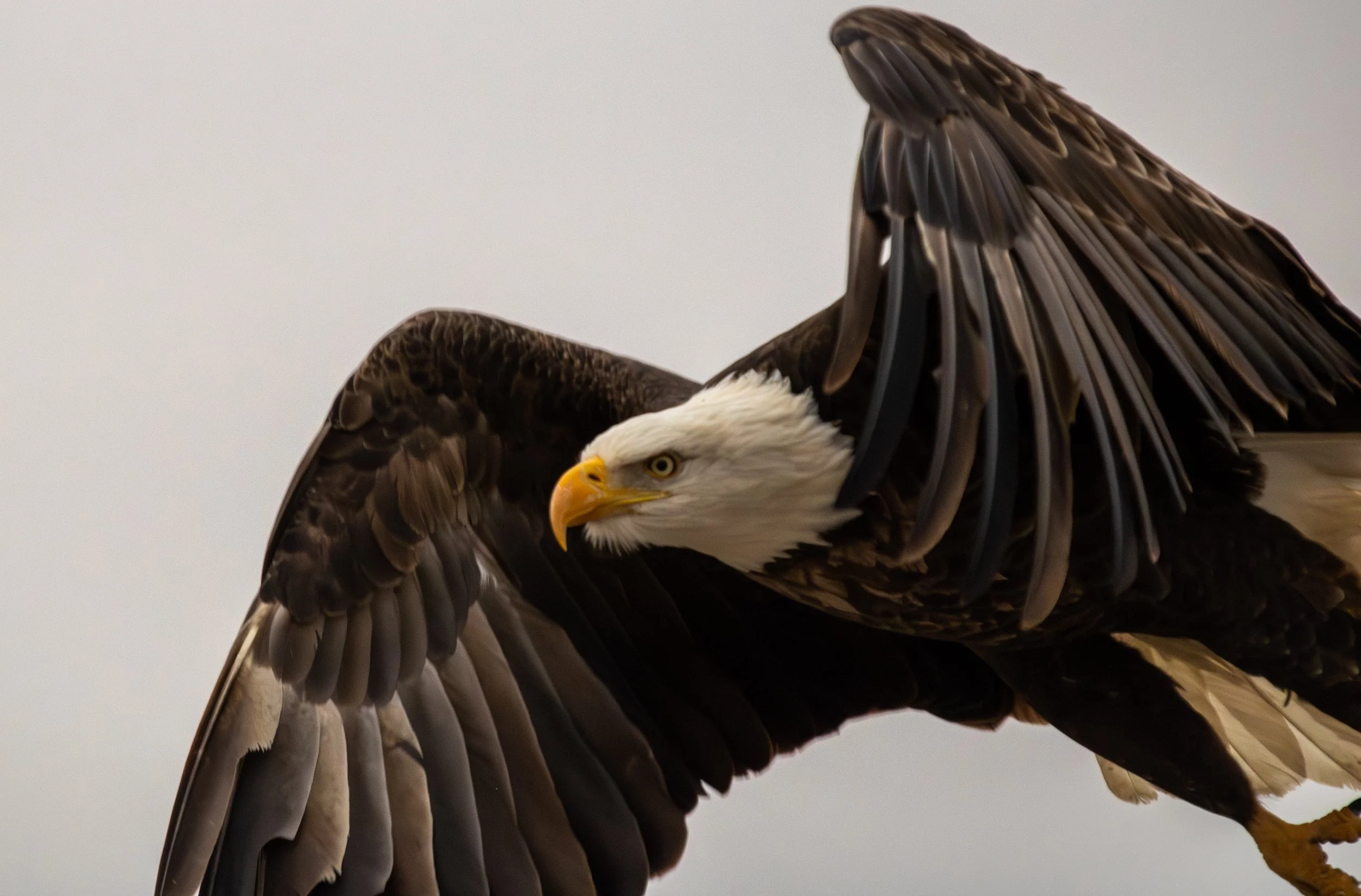
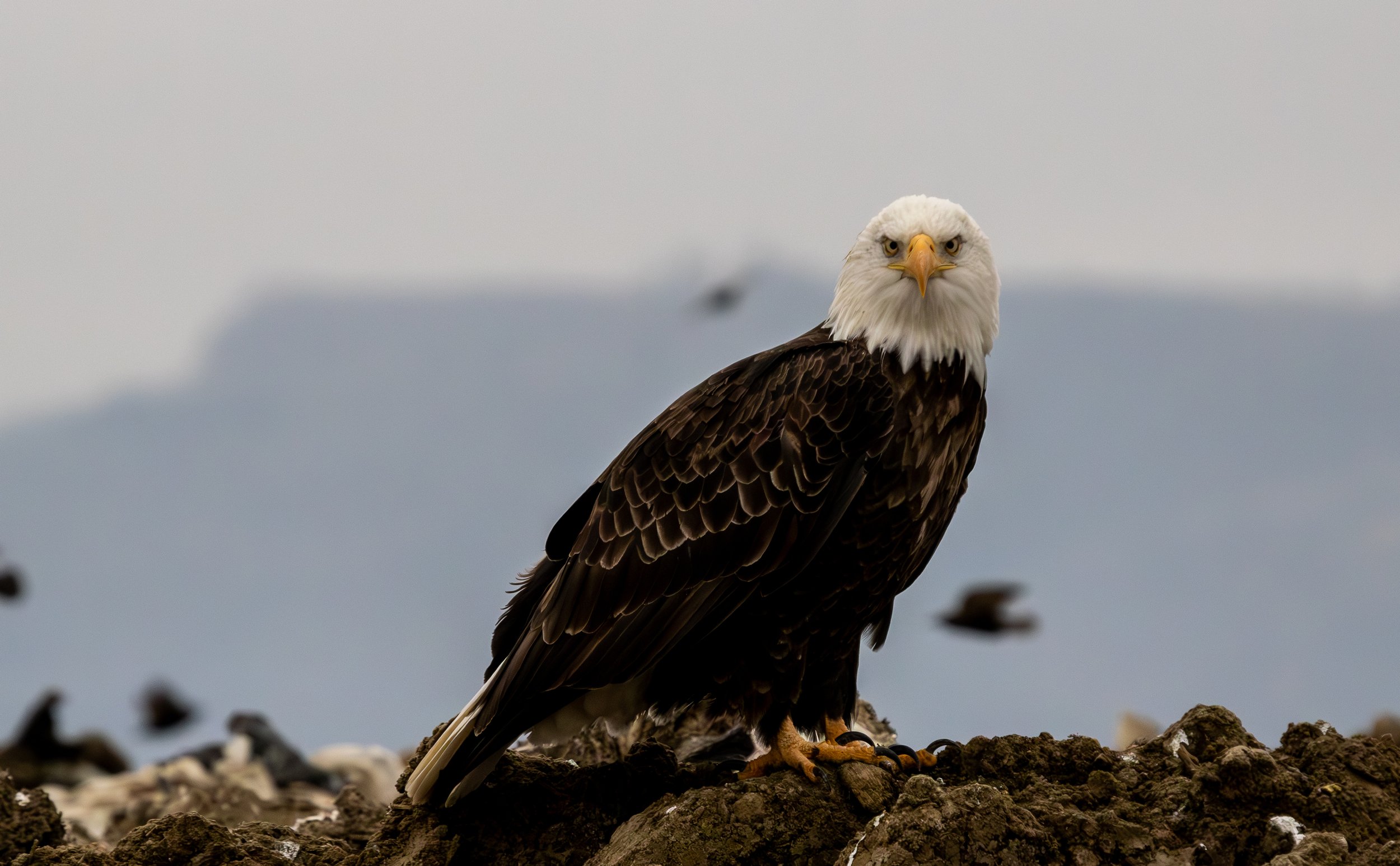
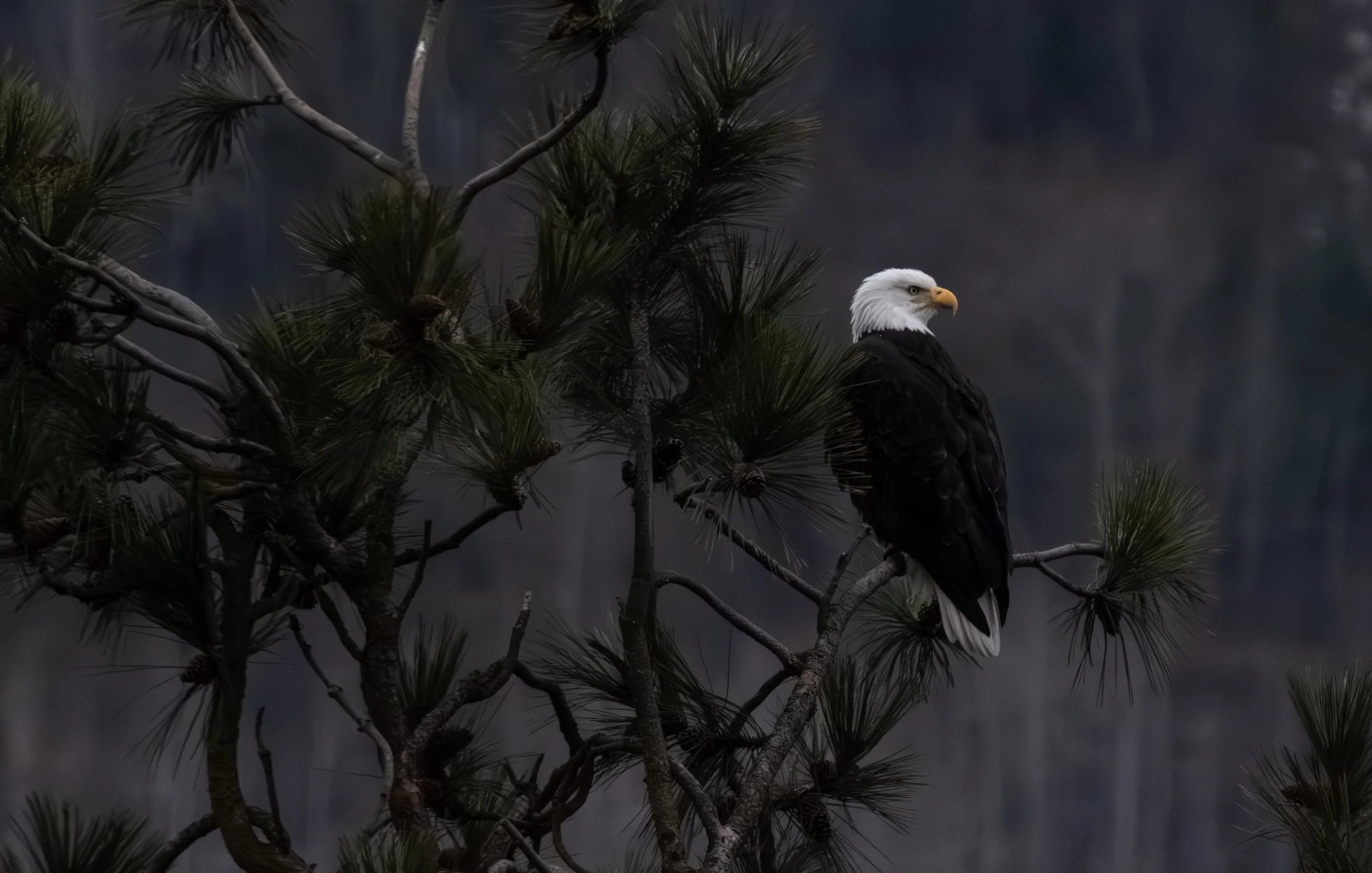
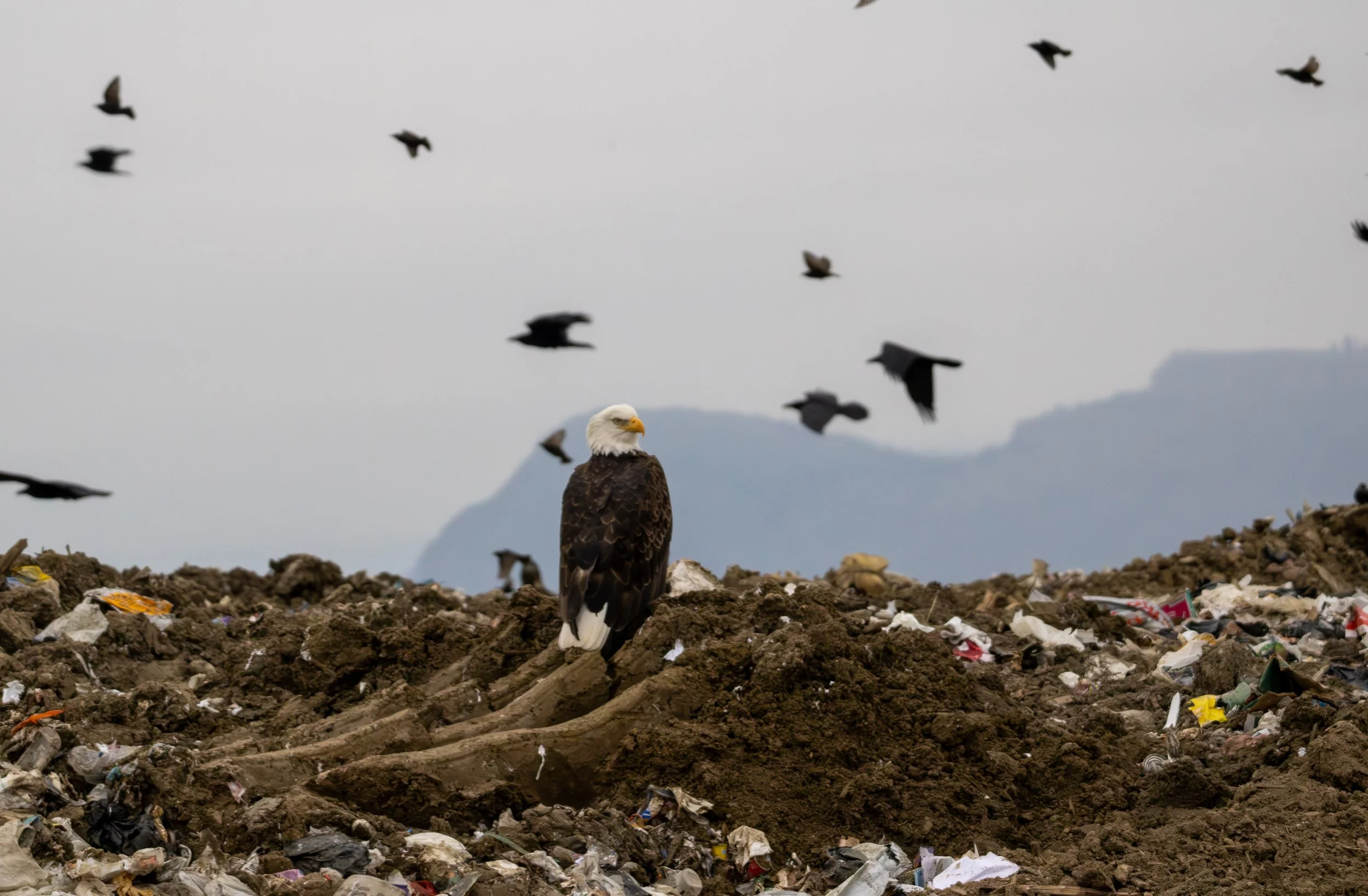
A whopping 107 Bald Eagles were observed during the Kamloops portion of the Count, a significant increase from last year. Roughly half were counted at the Mission Flats Landfill, which often provides a winter food source, supporting the local population.
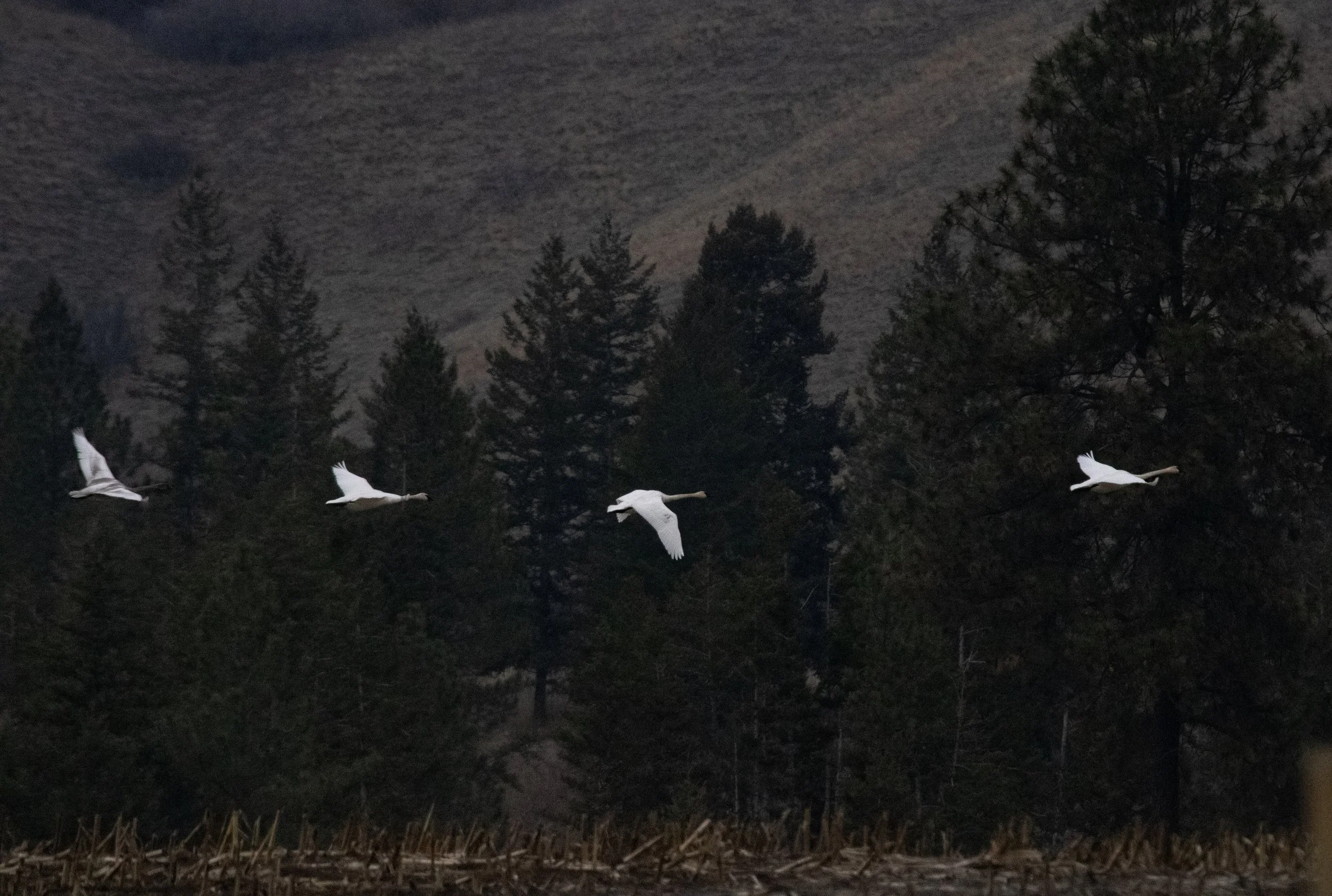
Consistent with recent Counts, no Tundra Swans (Cygnus columbianus) were observed along the South Thompson. Their absence in the region over the past few decades is not believed to reflect population declines, but rather a shift in winter distributions potentially influenced by food competition with an increasing population of Trumpeter Swans, whose recovery was aided by conservation efforts in the late 20th century. We counted 160 Trumpeter Swans, which is comparable to what was observed last year.
Similar to the Christmas Bird Count, the Count takes place on a single day each winter, and bird distributions in any given year can be influenced by environmental variability, such as food availability or ice cover on the South Thompson. As a result, the goal of the Count is not to estimate population size precisely each year, nor to explain year-to-year fluctuations. Instead, “the power in long-term studies like this is what the dataset can give you over time,” explained Doucette. With half a century of Count data, researchers can detect long-term trends and monitor change. “Without this dataset, we wouldn’t have such strong evidence of changes in the winter distributions of Tundra and Trumpeter Swans,” added Doucette. “You can’t see change over time if you’re not monitoring it.”
The inception of the Count was prompted by the conspicuous flocks of Tundra Swans wintering along the South Thompson and was formalized through the efforts of the late biologist Rick Howie, who went on to organize it for more than four decades. As the Count grew from a small group in Kamloops to hundreds of participants across B.C., its purpose expanded beyond its original focus. Over the decades, citizen scientists inadvertently documented the appearance of the Trumpeter Swan, which was first observed wintering in the region in 1983 after being hunted to near extinction early in the 20th century.
Taking place in mid-January, the Count offers a unique opportunity to understand the distribution of swans along interior waterways during the non-breeding period. “The number of swans documented along the South Thompson in past surveys warranted its designation as an Important Bird Area,” explained Doucette. Additionally, seemingly declining wintering eagle populations along the coast in the early 1990s suggested eagles could be occupying habitat elsewhere in B.C., prompting Count participants to begin systematically recording eagles alongside swans in 1995.

The Count demonstrates how citizen science strengthens both science and community. “Each year, volunteers contribute their time and local knowledge, creating a reciprocal exchange,” smiled Doucette. It is a fun opportunity for naturalist clubs to bring together like-minded people, whether experienced naturalists, aspiring birders, or students interested in careers in natural resources. “It’s an opportunity to connect with nature, learn from one another, and take part in a long-running tradition of stewardship.”
If you’re interested in getting involved in your local Count, reach out to your local BC Nature Club in the Kootenay and Thompson Okanagan Shuswap areas.